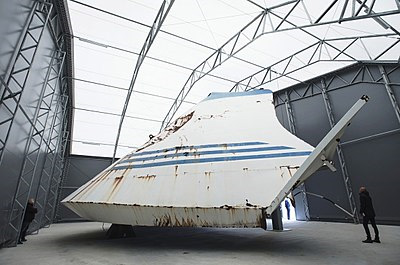
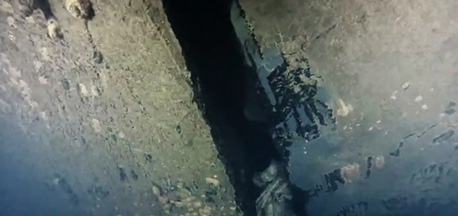
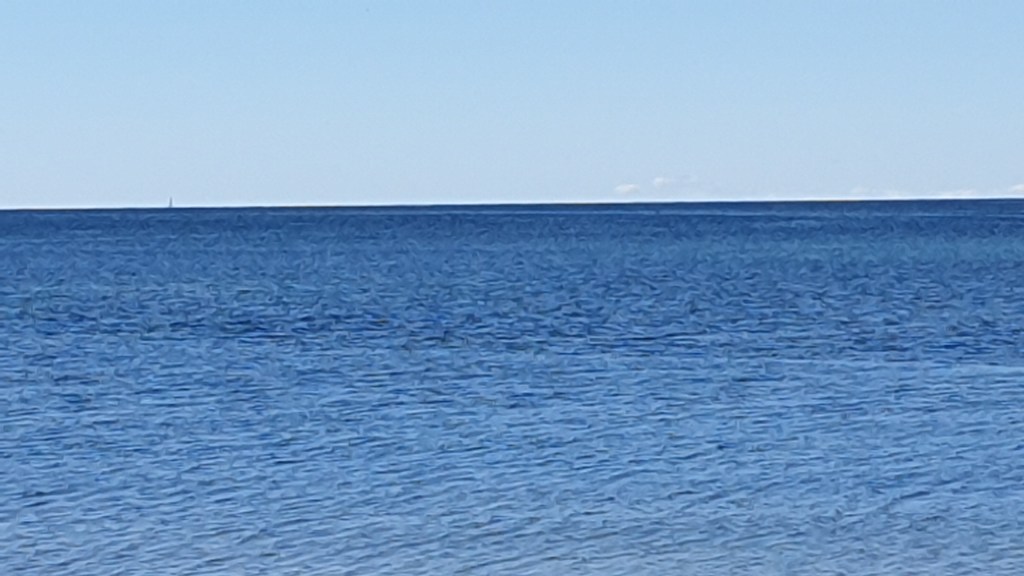
This week’s (w 39) most notable event in this country is the discovery that there is a large hole in the hull of the sunken passenger ship Estonia, which sank on the ninth of September 1994. There are some journalists, a diving team etc. who have been down on the bottom of the Baltic Sea and filmed the hull and discovered a hole that is one meter by four meters with indentation from the outside, which must mean that something hit Estonia so it became such a large hole that lies below the waterline. That is probably the reason why the ship sank so fast and took 852 people to their deaths. A total of 989 people was on board, of which 149 were crew. despite the speed of the process and storm at sea (with about 20 m / s) and problems with lifeboats and life rafts, 137 people survived (of which 53 from the crew).
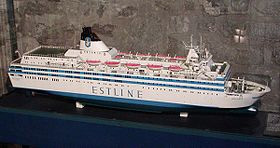
The Accident Investigation Board, which investigated the accident in 1995 – 1997, concluded that the cause of the sinking was that the bow visor had been torn loose in the rough sea and taken the bow ramp into the sea. Large amounts of water poured into the car deck and caused the ferry to quickly capsize and in a few minutes get a 15 degree tilt and then went over to 20 -30 degrees. This made it exceedingly difficult for passengers in cabins down in the ship to get on deck and many also failed to do so. A young man who survived recounted how women with small children, trying in vain to get up and how their horrible screams of death, when the water poured in and they realized the hopelessness of trying to get out, etched themselves in his memory forever. According to the Commission, the reason for the bow visor falling off was that the hinges for the bow visor were too weak. Criticism was also directed at the captain, who let the ferry continue at high speed despite noting that something was wrong with the boat.
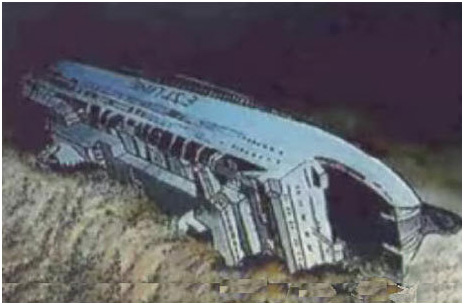
A boatman noticed a loud bang from the bow. At 01.10, water was observed on the car deck via a monitor. Soon after, water began to appear on the floors of the lower cabins. After the first emergency call in Mayday at 01.22, all communication with Estonia disappeared in a few minutes. At 01.25 the generators stopped, and the ship was completely darkened and virtually impossible for people to get on deck from the lower cabins. The ship is now at a 40 degree tilt and the water is flowing in through the windows on the fourth deck. The water quickly fills the boat and the tilt increases to 80 degrees and also reaches the commando bridge at 01.30 and the emergency generator stops working.
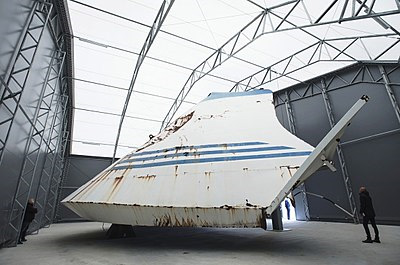
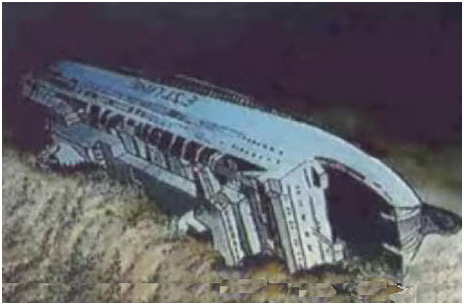
The rapid capsizing and the large lilt made it difficult or almost impossible to get lifeboats into the water and those who survived what those who managed to swim to a life raft, which was triggered automatically, and get into it. But if it was not possible to get the chapel up, the passengers were flooded by icy water and did not survive long. By and large, it is young, strong men who survive. The ship sank at 01.48, 38 minutes after the water began to penetrate the boat.
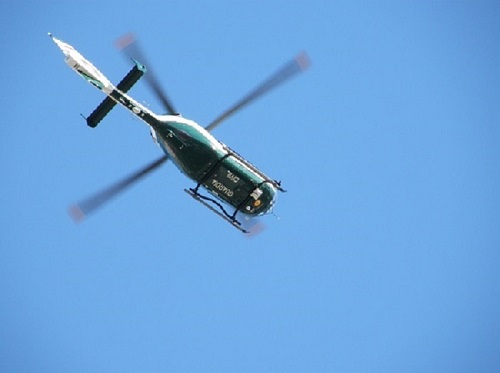
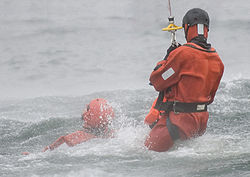
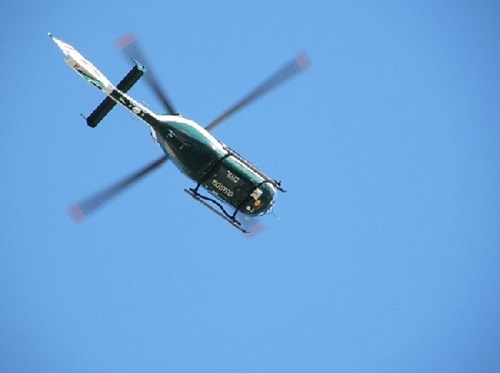
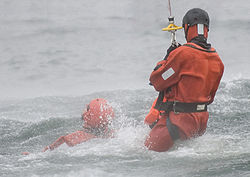
Twenty-five helicopters and at least ten ships took part in the rescue operation. The first ship M / S Mariella arrived at 02.12 and then several other ferries. But due to the rough sea, they could not put in lifeboats and thus had no effective methods to get people out of the sea. Only when helicopters with surface rescuers did this succeed better. But they were not in place until 03.05, an hour after the ships. Survivors and crew members worked in severe weather conditions with waves of up to 15 meters. They managed to save 137 people. 94 dead were picked up from the cold, six degrees (Celsius) water and from life rafts, where they froze to death if they did not manage to get under the chapel. Of those killed, 501 were Swedes.
After the accident, Prime Minister Ingvar Karlsson promised the relatives that the ship would be salvaged, and all the dead taken care of. This promise was betrayed and instead grave peace was announced over the accident site. This has meant that no further investigations have been possible, something that the relatives have been and are overly critical of. A Swedish preliminary investigation into the crime was dropped and there was never a court proceeding, where those responsible had been allowed to testify according to an oath. Thousands of relatives sued the French classification society Bureau Veritas, which certified Estonia, and the German shipyard Jos L Meyer-Werft, which built the ship. But a French court rejected all claims for damages in 2019, despite the fact that the court concluded that the hinges to the bow visor were too weak and that the captain (who died) drove the ship too fast in the very rough sea.
The survivors have been critical of the Accident Investigation Board’s report and believe that their views and perceptions of what happened at the sinking have not been included. Several of the survivors say that they heard a loud bang and that the ship then capsized quickly. The Commission believes that this is due to the visor coming loose and then falling off and lots of water flowing in on the car deck and causing the ferry to capsize. Criticism is also directed at the fact that the whole ferry was not examined by the Commission. Some documents from the investigation have also disappeared.
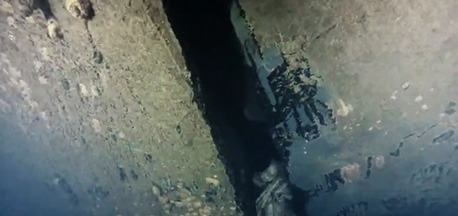
The new information about a large hole has made many people wonder about the whole procedure of not examining the whole boat, not to lift up the ship, casting the whole ship in concrete (which failed) and announcing grave peace, so that no more investigations can be carried out. aims to hide what really happened when Estonia sank and what was the whole cause for this. When some who were in the Commission now say that the hole was made when the ship hit the bottom, many do not believe this. And those who did the new survey say that there are no large rocks or cliffs on the bottom where the ship is located, which could have caused this hole.
It has later emerged that military equipment was transported on the ferry, that customs were told not to check military vehicles and that on the night in question two military vehicles were driven on board after all other vehicles had been loaded. Of this, there is speculation that there may have been an explosion on board. At the time of the accident, a military exercise of the navy was taking place in the area and there is speculation that a Swedish submarine collided with the ferry. In the latter case, it is almost inconceivable that everyone involved over the years would have kept quiet about this. But it could have been a Russian submarine? It is easy to think that the whole procedure in the investigation creates suspicions that the investigation did not go right, that something is hidden. Several people involved in, for example, the Ethics Council, including Bishop Caroline Krook, now feel that they may have been led astray by the information they have received and that nothing more may be investigated due to the law on grave peace. Those who have now completed the new study are accused of not respecting the peace of the grave and risk several years in prison if convicted. It is not difficult to imagine that the survivors and the relatives of the dead feel great unease and resentment about how the power, ie the authorities with emphasis put the lid on! This is one of the largest shipwrecks in peacetime in the Baltic Sea and history will continue. Something tells me that we have not been told the whole truth about Estonia’s sinking.














 Kritikern Alf