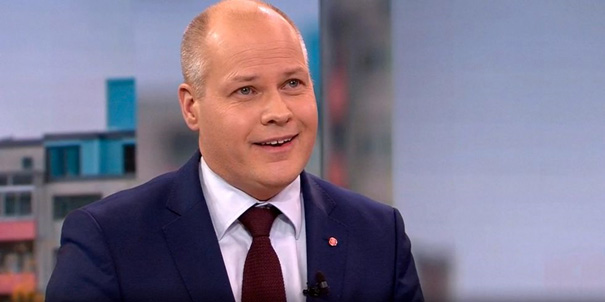
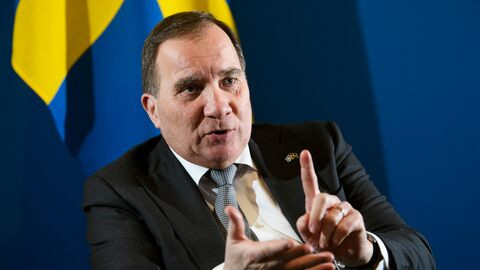
Statsministern har gjort en stor affär av att vi alla ska låta bli att trängas i affärer för julhandelns skull, eftersom vi alla har ett stort ansvar att på alla sätt försöka minska spridningen av coronaviruset. Regeringens och FHM:s strategi har just varit att vädja till folket att vi tillsammans, genom ansvarsfullt handlande, minimera sociala kontakter och resor, inte trängas i affärer, hålla avstånd och sträng handhygien, mm. Stefan Löfven och socialminister Lena Hallengren har under hösten lagt allt större vikt vid det moraliska ansvaret för att bekämpa pandemin och sagt till folket att inte leta efter kryphål för att komma undan ansvaret. Och vad gör sedan Morgan Olofsson och Stefan Löfven? Jo, de ger sig ut i julhandeln!
Förmodligen tycker de inte att detta är en stor grej, men då glömmer de att som politiska ledare, som vill ha folkets förtroende, måste de föregå med gott exempel och absolut inte göra som nu, göra rakt emot vad de själva predikat! På det sättet blir man ingen moralisk auktoritet och föredöme, som folket kan se upp till och följa. Därför har de gjort en enorm blunder, fast de kanske själva tycker att kritiken är en storm i ett vattenglas. Men då har de inte fattat vad som krävs av dem, att de allra minst lever som de lär!
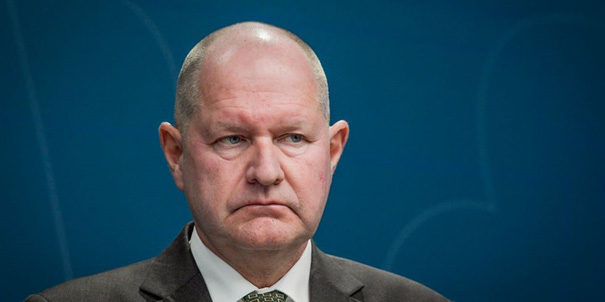
Generaldirektören för MSB, Dan Eliasson har inte bara gjort en blunder. Han har totalt gjort bort sig genom att åka till Kanarieöarna på semester, mitt i den värsta pandemin på ett århundrande. Detta är tvärt emot vad Regeringen och FHM sagt att man inte ska göra; genomföra resor som inte är absolut nödvändiga. Självklart kan den där uppblåsta, arroganta, omdömeslösa generaldirektören inte sitta kvar på sin post. Kicken är det enda som duger åt ett sådant dumhuvud! Och det ska vara utan avgångsvederlag!
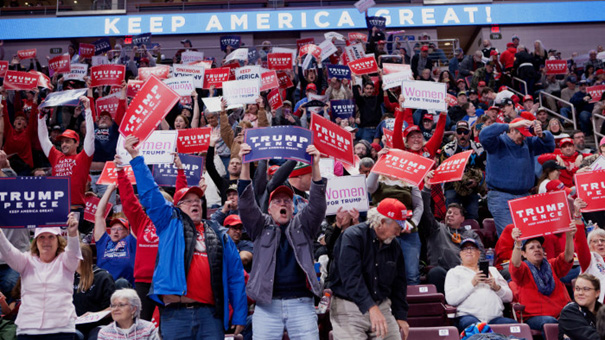
In Sweden, many are surprised that an inexperienced politician and rabble-rouser in the United States could get the support of more Americans than any other former president. It is then not an unusual perception that it is deeply conservative, uninformed, ignorant and limited people, who often belong to the Christian right wing people and hate the political establishment in Washington etc. who are Trump’s supporters. There is some truth in this, but it is not the whole picture of a USA, where the contradictions in society have been really screwed up due to development over a few decades.
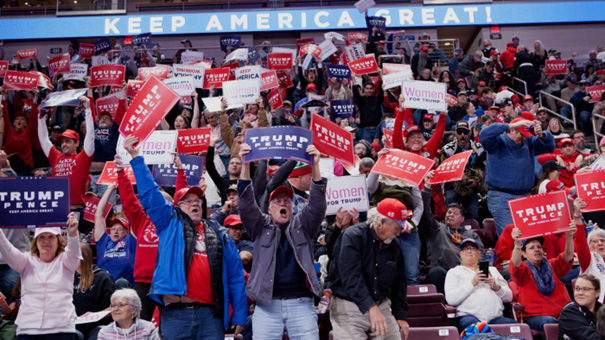
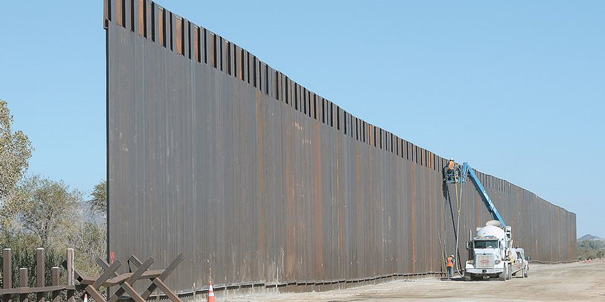
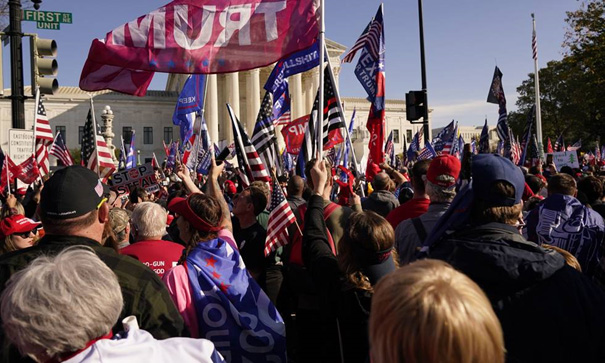
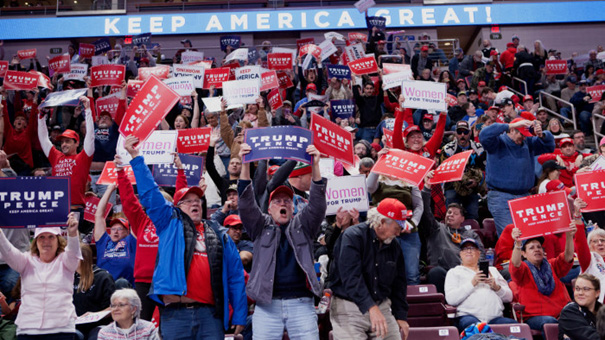
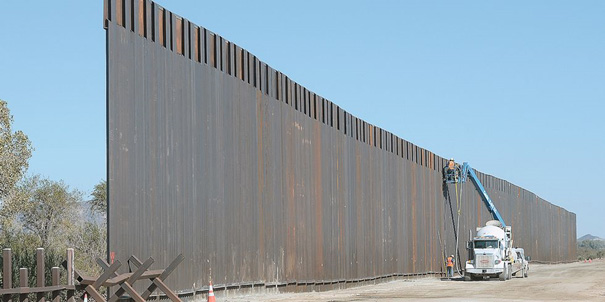
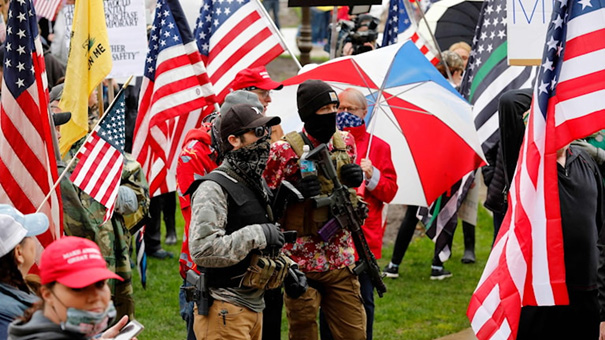
So who are Trump’s supporters? There’s a very broad mix of people on the right who traditionally vote for Republicans and their policies. Those we usually call authoritarian traditionalists and nationalists, who do not have to like Trump, but mainly his policies. There are many Trump supporters who are at the lower economic level in society, who do not like the large immigration to the United States and believe that this threatens their jobs and livelihoods. They like Trump’s criticism of the large-scale immigration, not infrequently illegal, from Central and South America and his idea of building a wall against Mexico – even if he failed to fully implement it.
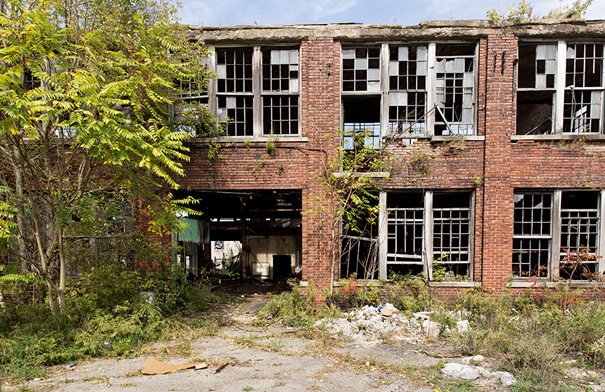
They are groups that are economically and socially disadvantaged, such as the Rust Belt, the coal fields and many communities in rural areas, including the Midwest, which have lagged behind in development, for example because things are bad for farmers and small businesses. The New York Times has shown that Trump received the most votes in economically vulnerable and problematic areas where jobs are threatened. People there experience status losses and feel that their jobs and livelihoods are threatened by developments in the country. They are generally skeptical of the high-tech developments that modern cities on the east and west coasts represent. And they do not like diversity! There is a huge difference between Trumps areas and urban Democrats areas. Trump also maintains the advantage that all Republicans currently have in most Southern states.
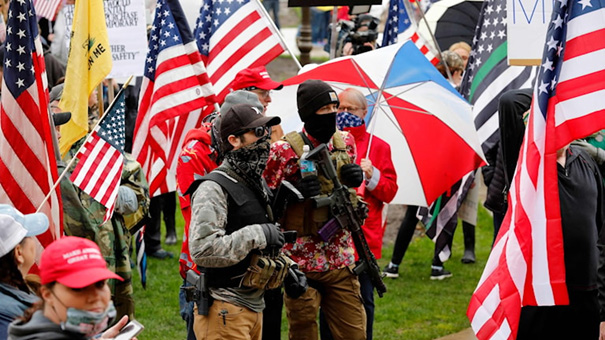
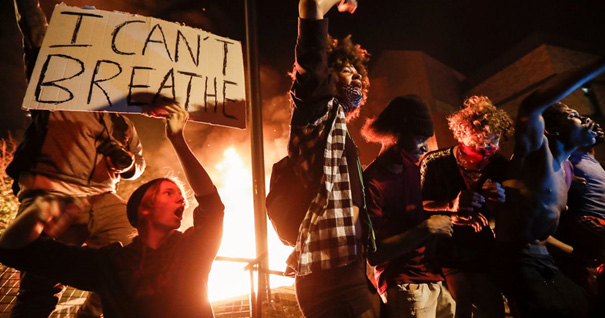
These people do not like at all the liberal development in society with LGBTQ movements, BLM, feminism, abortions, same-sex marriage and homosexuals. Social conservatives are particularly motivated to vote Republican based on these social issues. These voters, especially include Evangelical Christians and many pro-life Catholics. There also is a strong anti-feminist sentiment that’s especially strong among older white males. They see themselves threatened by the fact that whites are becoming a minority in many parts of the United States. They also feel valued by the mainstream media and hung out as conservative, ignorant idiots. These people distrust or even hate the political establishment in Washington. Their living conditions, perspectives on life, values and morals are in stark contrast to the liberal, urban middle class, who are usually Democrats. Simplified, these people perceive that the Republicans stand for the foot soldiers, the grassroots, while the Democrats are the liberal, urban middle class party, which the statistics show. Here are some similarities with how it is in Sweden with the Sweden Democrats and their supporters.
But those who vote for the Republicans and Trump (perhaps mainly because they usually vote for the Republicans) are also farmers, small business owners and officials of many kinds, who, for example, have benefited from Trump’s tax reform. There are, of course, many individual reasons for voting in a certain way, but it is uninteresting as we try to understand movements in society.
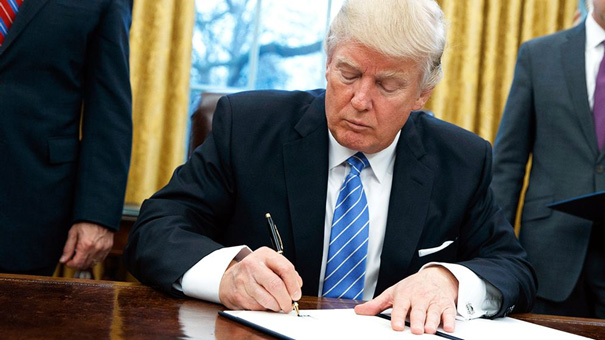
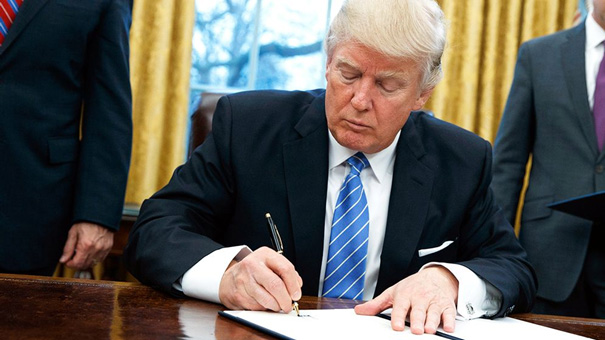
Trump has demonstrated his presidential power by independently making a number of decisions right from the start of his presidency, the so-called presidential order – even though the Republicans had a majority in Congress. However, it has not always been so willing to accept Trump’s reform proposals.
Trump’s supporters generally like the deregulation Trump has implemented in the climate area, which has facilitated the coal industry, oil and gas extraction, terminated the Paris Agreement and generally shown that he does not believe that man has created climate change. He has opened areas for hunting and fishing, which is liked by the rural population, opened areas in national forests – and even national parks. Big capitalists like the deregulation, which help them maximize profits. Other supporters from lower-income classes tend to distrust science (versus religion) and believe right-wing media stories that climate change is a “hoax.”
Trump has issued a presidential order that would temporarily stop all immigration to the United States from citizens of Iraq, Iran, Libya, Somalia, Sudan, Syria and Yemen on the grounds that it would stop the influx of prospective terrorists. This fear has been whipped up by the right-wing media. Depending on the ”nine eleven” and later terrorist attacks, there is a fear in the United States of Islamic jihadists and terrorists, which must be taken with sharp gloves. The migration ban was implemented in a modified form without the inclusion of Iraq.
During Trump’s time, the deportation of the undocumented has increased and zero tolerance has been introduced for illegally crossing the southern border of the United States. Strengthened border guards and continued construction of a wall along the border with Mexico would manifest this. Trump has inspired authoritarian leaders in the world, such as Duterte, Kaczynski, Orban, Netanyahu, etc., who dare to tighten the thumbscrews against dissidents and pursue a tough conservative policy.
In foreign policy, Trump has questioned alliances such as NATO and multilateral cooperation such as the UN. Free trade agreements have been torn up or renegotiated. ”America First” has, among other things, meant giving the United States economic benefits. Trump has rescinded the NAFTA agreement and concluded a new USMCA free trade agreement with Mexico and Canada that gives the United States better terms. Trump is uninterested in governing according to the usual, liberal world order, which prevailed after World War II, but instead prioritizes bilateral relations and agreements.
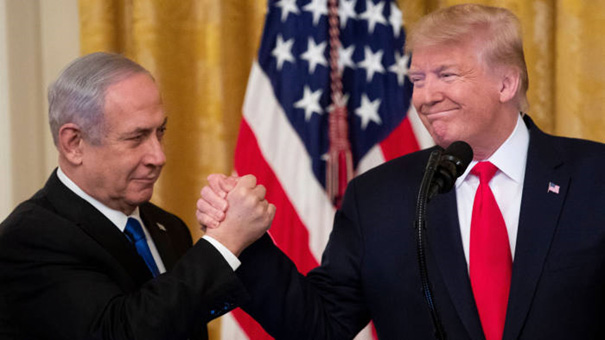
The United States has abandoned the Iran agreement and reintroduced economic sanctions against Iran. Recognized Jerusalem as the capital of Israel and moved the US Embassy there. Had a harsh rhetoric against China for what he believes were unfair trade conditions, as well as against North Korea for its nuclear weapons program and even threatened to wipe out the country.
In domestic politics, he has appointed Conservative judges Neil Gorsuch, Brett Kavanaugh and Amy Coney Barrett to the Supreme Court and numerous conservative judges around the country. For many social conservatives, anti-feminists & pro-lifers, this is the single most important factor. Trump has fired many officials and staff, whom he has become dissatisfied with, such as FBI Director James Comey, Secretary of State Rex Tillerson, Secretary of Defense Mark Esper, Chief of Staff Reince Priebus, Secretary of State Sean Spicer, Attorney General Jeff Sessions and many more. He implemented a tax reform that lowered corporation tax and lowered the limit on maximum income tax, benefiting high-income earners and entrepreneurs. With this, he has created a budget deficit of seven billion dollars, which is not a problem for those who are not interested in a strong federal state.
It is far from all his reforms that were immediately liked by all Republicans and Trump supporters, but giving the United States economic benefits, cracking down on immigration and Muslims, showing tough tackles on North Korea, China and Iran, supporting Israel, criticizing and changing the many of the United States commitments in the world, appointing conservative judges and criticizing the mainstream media, the establishment in Washington and the like, are things that his supporters like.
They also like the fact that Trump has in rhetoric been harsh on China, which they see as an economic threat. The termination of the nuclear deal with Iran has given strong support to Israel, while he is criticizing Muslims and began by stopping the entry of a number of Arab states. This coincides with the views of the Christian right, from which he receives support. America First means, among other things, that the United States should not be a world police force with commitments everywhere in the world, but first and foremost look after its own house. Conservative media such as Fox News, the New York Post, the Wall Street Journal and hundreds of other conservative media have done much to support Trump and his policies.
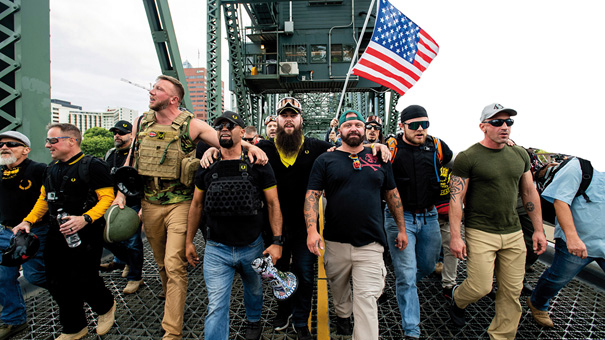
His hard line, he is a rabble-rouser and attitude towards the big media houses is something they appreciate. We may think that Trump is an aggressive, demagogic leader, whose rhetorical style is discouraging rather than appreciated. But his followers like this! They want a strong, active leader, who puts opponents in place and has the ability to enforce their will and deal with the country’s problems and threat. Trump has managed to take advantage of this and his rhetorical style resonates with supporters. He pretends to be the one who can avert the threats to the country and its citizens, who come both from outside China and the Muslim world called Iran and from within which are liberal media, the university-educated, urban middle class and the political establishment in Washington. It has developed a certain cult of personality around the tough Trump, who really dares to speak out and knock down opponents in the boot, just as many of the most militant Trump supporters themselves want to do with liberal Democrats and intellectuals.
There are conditions in the United States that are not so often mentioned in this country. The election of Obama increased the controversy in the country. Conservative groups see Obama as a typical intellectual academic from the East Coast and also black. They were very critical of a black man becoming president and for that reason they went further and further to the right. Trump could profit from this. And it was no less provocative that the Democrats launched a woman as a presidential candidate in addition Hillary Clinton, a feminist who was a red curtain in some circles. Clinton’s derogatory remarks about Trump’s supporters and voters as “deplorable” was a major tactical mistake that led to Trump gaining more votes. The election of Trump 2016 was in a way a powerful reaction against Obama and the Democrats. The same was true now where Trump has been able to take advantage of the criticism of blacks’ increased influence and especially BLM. The Republicans and Trump are seen by the Conservatives as a counterweight to these currents.
Prior to this election, Republicans have been actively working for a long time to get their voters to register. As is well known, turnout is usually low in the United States. In 2016, it was 55 percent, but this time it was the most in 120 years. As many as 160 million Americans voted, which means a turnout of 66.8 percent thanks to the mobilization of both Republicans and Democrats.
The described development in the USA, with a more divided society and fierce antagonisms between conservatives and liberals (the left has been reduced to marginality today) is found in many western societies, from Hungary and Poland to Sweden. Driving forces and factors in this can be summarized in Globalization in a broad sense. This is a severe pressure on the recipient countries and societies through the migration from underdeveloped countries and societies.
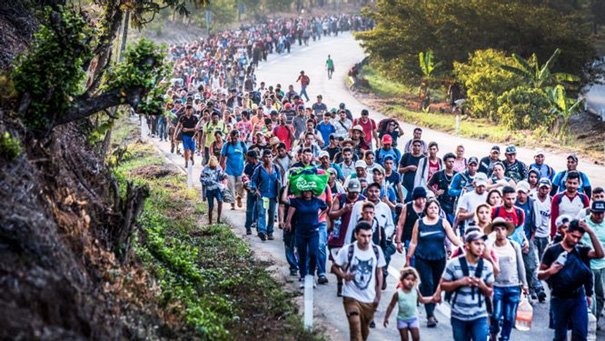
The basis for the migration movements is above all the skewed social development in the world, with highly developed, high-tech, modern welfare societies on the one hand and those who have far from kept up with this development, partly because the western world has exploited them and taken their resources. The main cause of migration is thus relative poverty in the countries of emigration – people moving! These conditions have become increasingly apparent to the people of the underdeveloped countries through the digital revolution and the flow of information in the world. It is the experience of being neglected that has made lots of young people seek out the rich world to have a better life.
Due to the division of labor in society, it is the working class and other vulnerable people who are first affected by the fact that jobs are threatened by cheap migrant labor and / or a burden on social policy. With this comes distrust and resistance to migration and the foreign values, behaviors and culture that migrants carry. This can be summed up in the fact that one does not like diversity and strangers because it challenges and threatens habitual living conditions and the economy for the most competitive strata of society.
Another aspect of globalization is also economic, but in a different way. The western world is flooded with more or less cheap goods from China and others with cheap labor. Then manufacturing and production jobs have been threatened and hence the working-class resentment and scapegoating. The results in cheaper goods, which could be of interest to the working class as well, but when it simultaneously threatens domestic production and thus jobs for these people, it is not so interesting. If you do not have money, you cannot buy anything, even if it is cheap. In other words, the right-wing winds in the United States and Europe are a result of globalization.
The paradox is that a billionaire, tough capitalist and playboy from the east coast of urban Mecca, who himself benefits greatly from globalization, that he symbolizes the resistance and struggle of the working class and other vulnerable groups and social strata against globalism.
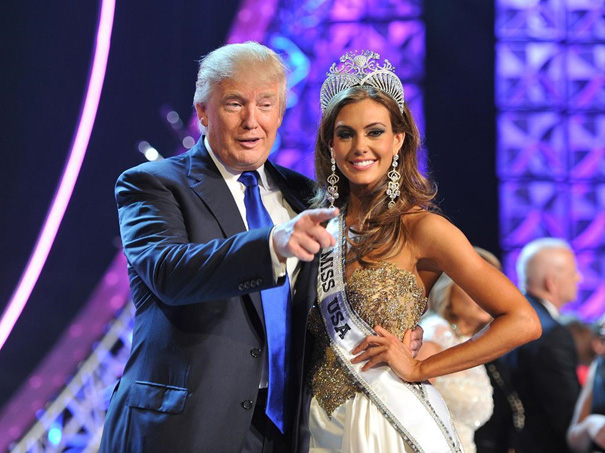
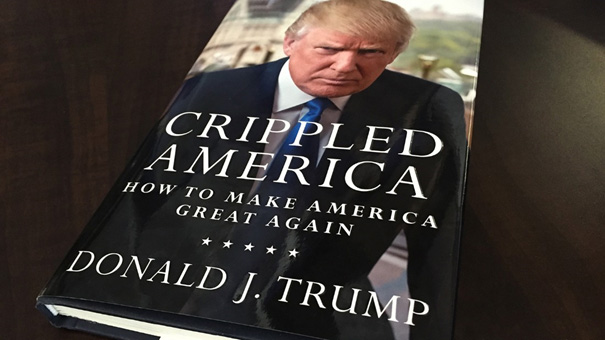
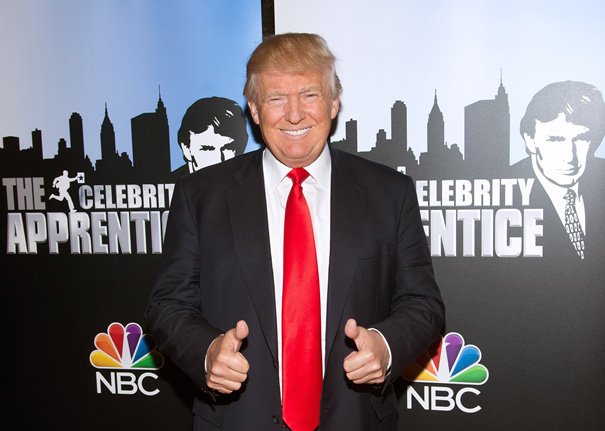
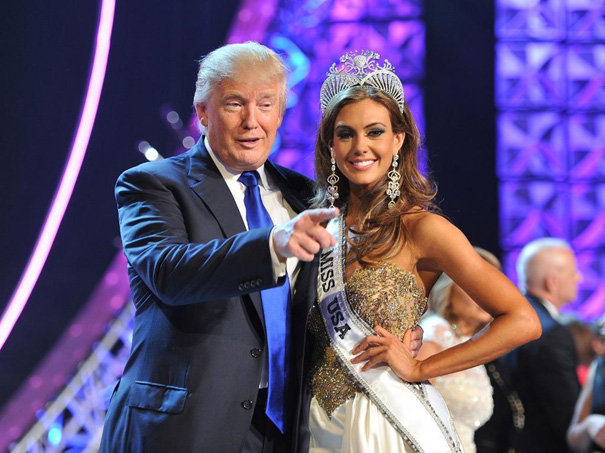
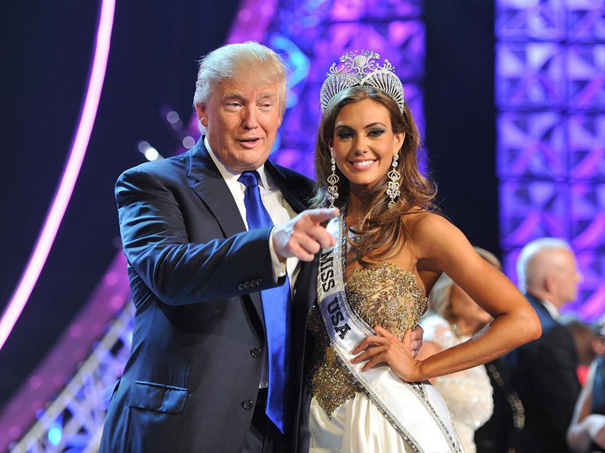
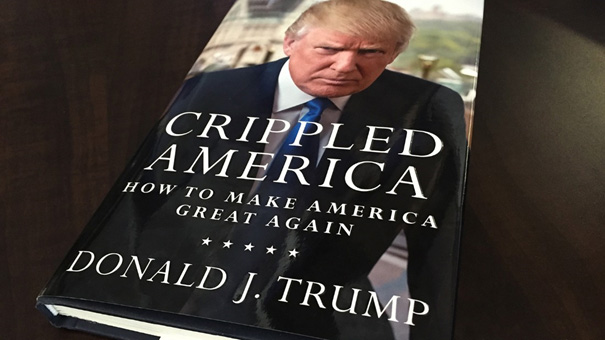
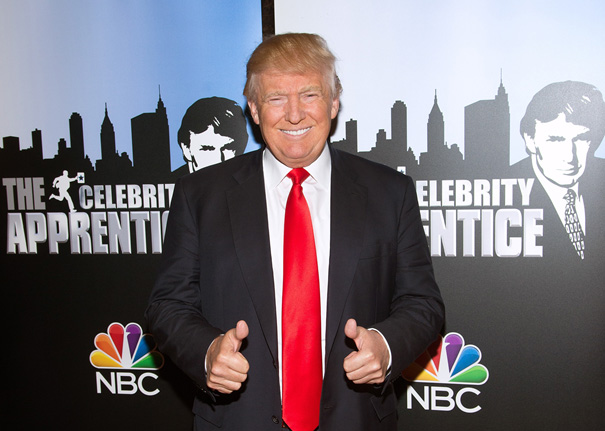
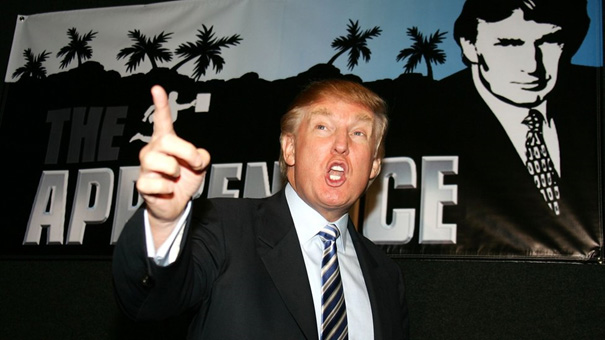
Trump’s personal success among voters depends on a number of factors. Trump is a famous personality through TV shows in which he participates. During the primary election in the Republicans, he led the program The Apprentice on NBC, owned a beauty contest and came out with a book Crippled America: How to Make America Great Again, which sold nearly 70,000 copies. His successes during the primary election campaigns led to the departure of key competitors Jeb Bush, Marco Rubio and Ted Cruz. The fact that Trump was subjected to an assassination attempt gave him sympathy, as did his tough statements about terrorism and what he wanted to do to stop illegal immigration.
Many elected Republicans are afraid to oppose and criticize Trump, as they fear they may not be allowed to continue as Republican candidates, so they are low even though they would have much to criticize Trump for. Trump has been very successful in collecting donations for his campaigns and has thus had a lot of money to invest in these. Trumps rhetorical skill goes home to people who want straightforward, simple, uncomplicated and tangible proposals for action. Trump has managed to hammer in that the country is facing serious threats, but he knows – just him! – how to tackle these. Some voters want a strong, charismatic, white leader with promising promises for strong political action. It benefits Trump that there are many Republican voters who vote for Republicans out of old habit and loyalty, whether they like Trump or not.
Det paradoxala är att en miljardär, klipparkapitalist och playboy från östkustens urbana Mecka, som själv drar stor nytt av globaliseringen, får symbolisera arbetarklassens och andra utsatta gruppers och samhällsskikts motstånd och kamp mot globalismen. Här ett tillägg till ”Hur kommer det sig att 71 miljoner röstade på Trump?” som försöker svara på frågan om paradoxen Trump.
Trumps personliga framgångar bland väljarna beror på en rad förhållanden. Trump är en känd personlighet genom TV-program där han medverkar. Under primärvalet i Republikanerna ledde han programmet The Apprentice i NBC, ägde en skönhetstävling och kom ut med en bok Crippled America: How to Make America Great Again, som sålde i nästan 70 000 ex.
Hans framgångar under primärvalskampanjerna ledde till att de viktigaste konkurrenterna Jeb Bush, Marco Rubio och Ted Cruz hoppade av. Att Trump utsattes för ett mordförsök gav honom sympatier, liksom hans tuffa uttalanden om terrorism och vad han ville göra för att stoppa den illegala invandringen.
Trump är miljardär och kunde satsa enorma summor i kampanjer. Hans retoriska skicklighet går hem hos folk, som vill ha raka, enkla och handfasta förslag till åtgärder. Trump har lyckats hamra in att landet står inför allvarliga hot, men han vet – just han! – hur dessa ska tacklas.
Vissa väljare vill ha en stark, karismatisk, vit ledare med lovande löften för kraftfull politiskt handlande. Det gynnar Trump att det finns många republikanska väljare som röstar på Republikanerna av gammal vana och av lojalitet, oavsett om de gillar Trump eller inte.
Här i landet är det många som är förvånade över att en oprövad politiker och rabulist till president i USA kunde få ett stöd av fler amerikaner än någon annan tidigare sittande president fått. Det är då ingen ovanlig uppfattning att det är djupt konservativa, oupplysta, okunniga och inskränkta människor, vilka ofta tillhör den kristna högern människor och hatar det politiska etablissemanget i Washington mm som är Trumps anhängare. Det ligger en del i detta, men det är inte hela bilden av ett USA, där motsättningarna i samhället skruvats upp rejält pga utvecklingen.
Vilka är då Trumps supportrar? Jo det är en mycket bred blandning av människor på högerkanten som av tradition röstar på Republikanerna och deras politik. De vi brukar kalla auktoritära traditionalister och nationalister, som inte behöver gilla just Trump, men i huvudsak hans politik. Det finns många Trumpanhängare som är på den lägre ekonomiska nivån i samhället, som inte gillar den stora invandringen till USA och menar att detta hotar deras arbeten och försörjning. De gillar Trumps kritik av den stora invandringen, inte sällan illegal, från Mellan och Sydamerika och hans idé att bygga en mur mot Mexiko – även om han inte lyckades genomföra den fullt ut.
De är grupper som är eftersatta i den samhällsekonomiska utvecklingen typ Rostbältet, kolfälten och många samhällen på landsbygden, bla i Mellanvästern, som halkat efter i utvecklingen tex pga att det går dåligt för lantbruken och småföretagare. New York Times har visat att Trump fick flest röster i ekonomiskt utsatta och problematiska områden där jobben hotas. Människorna där upplever statusförluster och känner att deras arbeten och försörjning är hotad av utvecklingen i landet. De är allmänt skeptiska till den högteknologiska utvecklingen, som moderna städer på öst- och västkusten representerar. Och de gillar inte mångfald!
Dessa människor är ekonomiskt och socialt åsidosatta av den ekonomiska och tekniska utvecklingen och gillar inte alls den liberala utvecklingen i samhället med HBTQ-rörelser, BLM, feminism, aborter, samkönade äktenskap och homosexuella.
De ser sig hotade av att vita håller på att bli en minoritet på många håll i USA. De känner sig också nervärderade av mainstream media och uthängda som konservativa, okunniga töntar. Dessa människor misstro eller tom hatar det politiska etablissemanget i Washington. Deras levnadsförhållanden, perspektiv på tillvaron, värderingar och moral står i bjärt kontrast till den liberala, urbana medelklassen, som vanligen är Demokrater. Förenklat uppfattar dessa människor att Republikanerna står för fotfolket, gräsrötterna sas, medan Demokraterna är den liberala, urbana medelklassens parti, vilket har ett statistiskt stöd. Här finns vissa likheter med hur det är här i landet med Sverigedemokraterna och deras anhängare.
Men de som röstar på Republikanerna och Trump (kanske framförallt för att de brukar rösta på Republikanerna) är också bönder, småföretagare, collegeutbildade tjänstemän av många slag, som tex dragit nytta av Trumps skattereform. Det finns givetvis många individuella skäl till att rösta på på ett visst sätt, men det är ointressant då vi försöker förstå rörelser i samhället.
Trump har demonstrerat sin presidentmakt genom att självständigt fatta en mängd beslut redan från starten av sitt presidentskap, sk presidentorder – trots att Republikanerna hade majoritet i Kongressen. Den har dock inte alltid varit så villig att acceptera Trumps reformförslag.
Trumps supportrar gillar i regel de avregleringar Trump genomfört på klimatområdet, som underlättat för kolindustrin, olja och gasutvinning, sagt upp Parisavtalet och allmänt visat att han inte tror att människan skapat klimatförändringarna. Han har öppnat områden för jakt och fiske, vilket gillas av landsbygdsbefolkning.
Trump har gett en presidentorder som tillfälligt skulle stoppade all immigration till USA från medborgare i länderna Irak, Iran, Libyen, Somalia, Sudan, Syrien och Jemen med motiveringen att stoppa inflödet av presumtiva terrorister. Allt efter ”nine eleven” och senare terroristattacker finns i USA en rädsla för islamska jihadister och terrorister, som man måste ta i med hårdhandskarna mot. Migrationsstoppet genomfördes i modifierad form utan att Irak ingick.
Under Trumps tid har deporteringarna av papperslösa ökat och nolltolerans införts mot att olagligt ta sig över USA:s södra gräns. Stärkt gränsbevakningen och fortsatt byggandet av en mur längst gränsen mot Mexiko skulle manifestera detta. Trump har inspirerat auktoritära ledare i världen, typ Duterte, Kacynski, Orban, Netanyahu, mfl att våga dra åt tumskruvarna mot meningsmotståndare och driva en tuff konservativ politik.
I utrikespolitiken har Trump ifrågasatt allianser som Nato och multilaterala samarbeten som FN. Frihandelsavtal har rivits upp eller omförhandlats. ”America First” har bla betytt att ge USA ekonomiska fördelar. Trump har upphävt NAFTA -avtalet och slutit ett nytt frihandelsavtalet med Mexiko och Kanada som ger USA bättre villkor. Trump är ointresserad av att styra enligt den vanliga, liberala världsordning, som rått efter andra världskriget, utan prioriterar i stället bilaterala relationer och avtal.
USA har lämnat Iranavtalet och återinfört ekonomiska sanktioner mot Iran. Erkänt Jerusalem som Israels huvudstad och flyttat den amerikanska ambassaden dit. Haft en hård retorik mot Kina för vad han menar varit orättvisa handelsvillkor, samt mot Nordkorea för dess atomvapenprogram och tom hotat att utplåna landet.
Inrikespolitiskt har han har utsett konservativa domare Neil Gorsuch, Brett Kavanaugh och Amy Coney Barrett till högsta domstolen och mängder av konservativa domare runt om i landet. Trump har avskedat många tjänstemän och medarbetare, som han blivit missnöjd med tex FBI-chefen James Comey, utrikesminister Rex Tillerson, försvarsminister Mark Esper, stabschef Reince Priebus, pressekreterare Sean Spicer, justitieminister Jeff Sessions och många fler. Han genomförde en skattereform som sänkt bolagsskatten och sänkt gränsen för maximal inkomstskatt, vilket gynna höginkomsttagare och företagare. Med detta har han skapat ett budgetunderskott på sju miljarder dollar, vilket inte är något problem för dem som inte är intresserade av en stark federal stat.
Det är långt ifrån alla hans reformer som omedelbart gillats av alla Trumps anhängare, men att ge USA ekonomiska fördelar, gå hårt åt invandringen och muslimer, visa tuffa tag mot Nordkorea, Kina och Iran, stötta Israel, kritisera och ändra på USA:s många åtaganden i världen, utse konservativa domare och kritisera mainstream media, etablissemanget i Washington och liknade, är sådant som hans supportrar gillar.
De gillar också att Trump gått hårt åt Kina, som de ser som ett ekonomiskt hot. Att han sagt upp atomavtalet med Iran, gett ett starkt stöd till Israel, samtidigt som han kritiserar muslimer och inledde med att stoppa inresa från en rad arabstater. Detta sammanfaller med den kristna högerns uppfattningar, varifrån han får stöd. America First betyder bla att USA inte ska vara en världspolis med åtaganden överallt i världen, men först och främst se om sitt eget hus. Konservativa media som Fox News, New York Post, Wall Street Journal och hundra andra konservativa media har gjort mycket för att stötta Trump och hans politik.
Hans hårda linje, hans rabulism och hållning mot de stora mediehusen är något de uppskattar. Vi kanske tycker att Trump är en aggressiv, demagogisk ledare, vars retoriska stil snarare avskräcker än uppskattas. Men hans anhängare gillar detta! De vill ha en stark handlingskraftig ledare, som sätter motståndarna på plats och har förmåga att genomdriva sin vilja och hantera landets problem och hot. Trump har förmått att ta vara på detta och hans retoriska stil går hem hos supportrarna. Han ger sig ut för att vara den som kan avvärja hoten mot landet och dess medborgare, som kommer både utifrån typ Kina och den muslimska världen som heter Iran och inifrån som är liberala media, den universitetsutbildade, urbana medelklassen och det politiska etablissemanget i Washington. Det har utvecklat en viss personkult kring den tuffe Trump, som verkligen vågar säga ifrån och banka ner motståndarna i knäppkängorna, just som många av de mest militanta Trumpanhängarna själva vill göra med pissliberala Demokrater och intellektuella.
Det finns förhållanden i USA som inte så ofta nämns här i landet. Valet av Obama ökade motsättningarna i landet. Konservativa grupper ser Obama som en typisk intellektuell akademiker från Östkusten och dessutom svart (eller eg mulat) De var mycket kritiska till att en svart man blev president och de gick av den anledningen allt längre åt höger. Detta kunde Trump profitera på. Och det blev inte mindre provocerande att Demokraterna lanserat en kvinna som presidentkandidat och tillika Hillary Clinton, som var ett rött skynke i vissa kretsar. Valet av Trump 2016 var på sitt sätt en kraftfull reaktion mot Obama och Demokraterna. Samma gällde nu där Trump kunnat utnyttja kritiken mot svartas ökade inflytande och framförallt BLM. Republikanerna och Trump ses av de konservativa som en motvikt till dessa strömningar.
Republikanerna har inför detta val under lång tid arbetat aktivt med att få sina väljare att registrera sig. Valdeltagandet är som bekant vanligen lågt i USA. År 2016 var det 55 procent, men den här gången blev det högst på 120 år. Hela 160 miljoner amerikaner röstade och det innebär ett valdeltagande på 66,8 procent tack vare både Republikanernas och Demokraternas mobilisering.
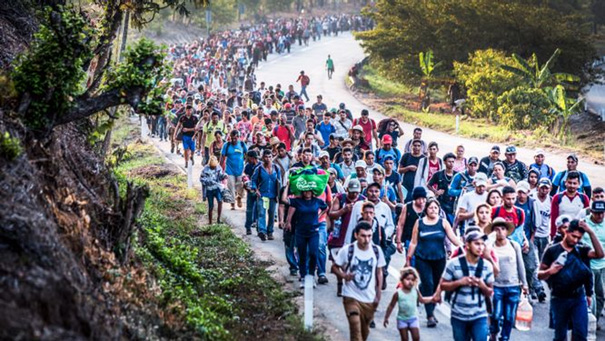
Den beskrivna utvecklingen i USA, med ett mera splittrat samhälle och hårda motsättningar mellan konservativa och liberaler (vänstern har reducerats till marginalitet idag) återfinns i många västerländska samhällen allt från Ungern och Polen till Sverige. Drivande krafter och faktorer i detta kan sammanfattas i Globaliseringen i vid mening. Det innebär ett hårt tryck på dessa samhällen genom migrationen från underutvecklade länder och samhällen.
Grunden för migrationsrörelserna är framförallt den sneda samhällsutvecklingen i världen, med högutvecklade, högteknologiska, moderna välfärdssamhällen på ena sidan och de som långt ifrån har hängt med i denna utveckling, bla beroende på att västvärlden har utnyttjat dem och tagit deras resurser. Dessa förhållanden har blivit allt mer uppenbara för människorna i de underutvecklade länderna genom den digitala revolutionen och flödet av information i världen. Och det är den och upplevelsen av att vara eftersatta, som fått massor av unga människor att söka sig till den rika världen för att få ett bättre liv.
Detta å sin sida har skapat enorm press på mottagarländerna vars ekonomier inte omedelbart är anpassade för att ta emot sådana massor av migranter. På grund av arbetsdelningen i samhället är det arbetarklassen och andra utsatta som först drabbas av att jobben hotas av billig migrantarbetskraft och/eller belastning på socialpolitiken. Med detta följer misstro och motstånd mot migrationen och de främmande värderingar, beteenden och kultur som migranterna är bärare av. Detta kan sammanfattas i att man inte gillar mångfald och främlingar eftersom det utmanar och hotar invanda levnadsförhållanden och ekonomin för de mest konkurrensutsatta skikten i samhället.
En annan aspekt av globaliseringen är också ekonomisk, men på ett annat sätt. Västvärlden översköljs av mer eller mindre billiga varor från Kina och andra med billig arbetskraft. Detta ger billigare varor, som kunde vara intressant även för arbetarklassen. Men när det samtidigt hotar inhemsk produktion och därmed arbetstillfällen för dessa människor, är det inte så intressant. Har man inte pengar, kan man inte köpa något, även om det är billigt. Högervindarna i USA och Europa är med andra ord ett resultat av globaliseringen.
Det paradoxala är att en miljardär, klipparkapitalist och playboy från östkustens urbana Mecka, som själv drar stor nytt av globaliseringen, får symbolisera arbetarklassens och andra utsatta grupper och samhällsskikts motstånd och kamp mot globalismen.
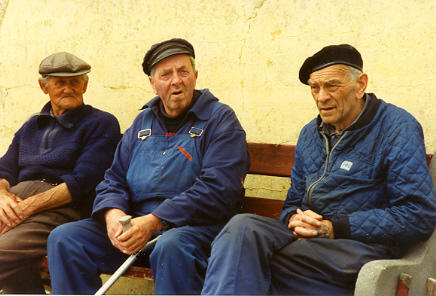
Tusentals gamla har dött i covid 19. Stora brister i äldreomsorgen är en av flera orsaker. Självklart leder detta till kritik och diskussion om hur det här samhället förhåller sig till sina gamla människor. En viss ringaktning är påtaglig. Men det är inget nytt.
Ända sedan den industriella revolutionen, har samhället genomgått en stor och snabb ekonomisk och social förändring, där gamla människor blivit mindre efterfrågade och värdefulla. Framstegstron skapar nya värderingsmönster. Ny teknisk och ekonomisk kunskap sitter i högsätet. Livserfarenhet, social kunskap och moral blir snabbt föråldrat och mindre värderade i teknikens sköna nya värld.
Mycket annat följer med i samhällsutvecklingen. Unga, produktiva slutar bo och leva tillsammans med de gamla och överspelade. De sätts på undantagen för sig själva. I princip är det samma sak med äldreboenden.
Industrialismen är inte bunden till torvan. Investeringar och utveckling görs där de ger mest avkastning och arbetskraften får snällt följa med. Avstånden mellan de produktiva och de improduktiva ökar markant pga dessa förhållanden. I praktiken urholkar detta den sociala närheten och kontakten och med det känslan av gemenskap.
OLYMPUS DIGITAL CAMERA
De fysiska, tidsmässiga, praktiska och känslomässiga avstånden – om man generaliserar – gör att vi inte i familjerna kan ta hand om våra gamla, ja knappt låta dem bo tillsammans. Därför, då gamla har svårt att klara skivan själva (och kanske för att stilla vårt dåliga samvete?) sätter vi den i äldreboenden – våra dagars undantag.
Den bittra sanningen är att de gamla i detta samhälle, som sätter produktivitet och materiell utveckling över allt annat, är i praktiken överflödiga och en kostnad, som de produktiva får bära. Detta är konsekvensen av det högteknologiska framstegssamhället, där vi numera ersätter mänsklig kontakt och omsorg med gamla, med söta robotar. Det låter som något obevekligt att gamla kommer att ringaktas. Ja, i det här samhället kommer det nog att fortsätta så. Gamla människor får söka sin gemenskap med likasinnade och se till att få gehör för sina intressen och synpunkter i politiken genom att stå samman om kraven. Vi som är 65 år och äldre utgör 20 procent av befolkningen, vilket kan ge ett mycket stort inflytande i politiken med gemensamma åsikter och krav. Utnyttja det!
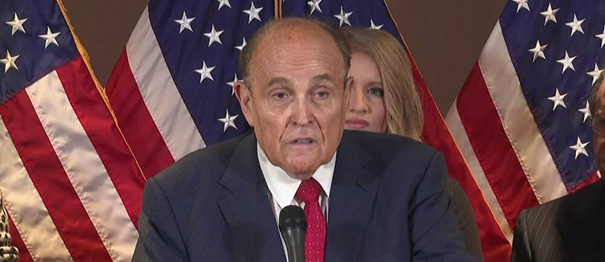
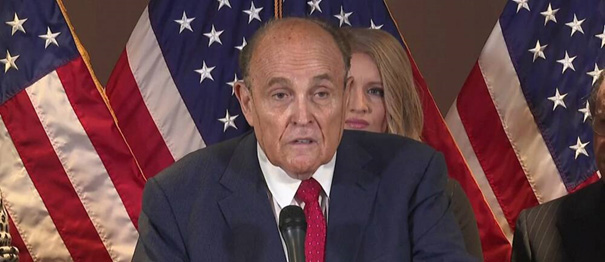
Unfortunately, there are a number, yes quite a few, Trump supporters in Sweden as well, who want to believe that the election in the USA did not go right, that it was rigged, that Cuba and Venezuela manipulated the voting machines, that the evidence that it was a fraud, is that Trump led the count of the votes, but suddenly Biden got many more votes. Rudy Giuliani is right!
Cuba and Venezuela had nothing to do with the machines and when the postal votes began to be counted, which happened after the election day counts, significantly more Democrats voted by post. As simple as that it is! But Trump acts like the emperor of antiquity and shoots the messenger, who has information he does not like. Chris Krebs, head of the federal election authority, was fired. And the emperor’s coat of arms, Joe di Genova, rightly said that Krebs should be taken out at dawn and shot.
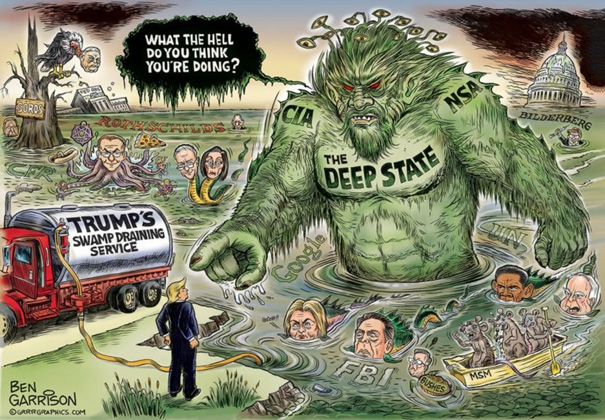
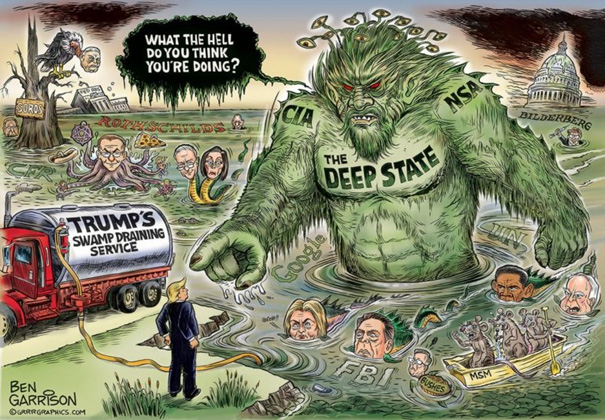
The Trump supporters talk about Trump draining the swamp they call the deep state, and one wonders if they know what the deep state is all about. That the capital mower, the real estate mogul, the tax evader, which itself exploits the state for its private interests and the liar would have had an ambition to drain that swamp is so insight less and stupid that one can wonder how it is in the minds of those who believe in these fairy tales.
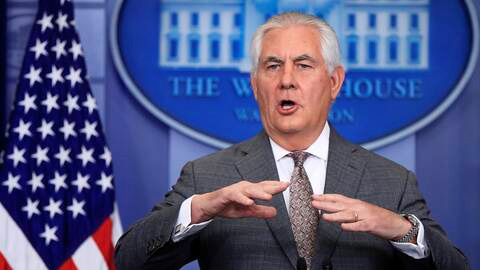
Trump supporters are happy to point out the good deed Trump has given the world. Sure! That he threatened to annihilate North Korea, jumped off the Paris Agreement, had Turkey chase away the Kurds in northern Syria, who, thanks to helping defeat IS, gave the go-ahead to kill General Suliman, quarrel with NATO members and create general insecurity in the world through capriciousness, terminated the painstakingly negotiated nuclear deal with Iran, conflict with Denmark through its rude proposal to buy Greenland, got rid of one foreign minister after another and Tillerson thought Trump was a real idiot! Yes, is that not a word of truth?
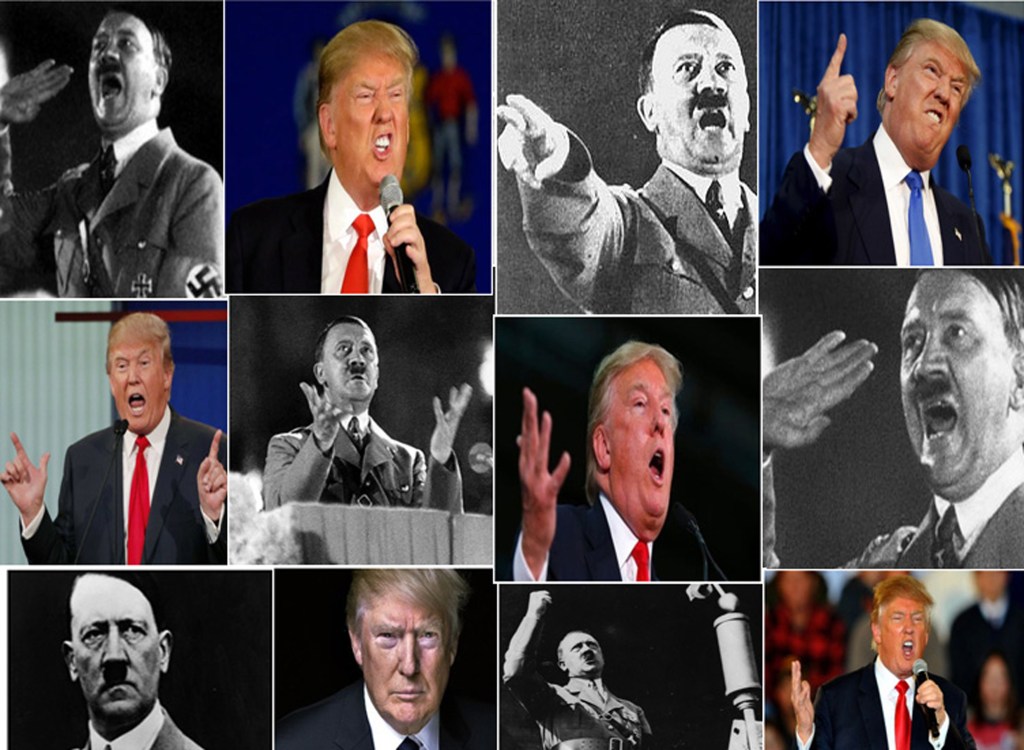
After recently watching a number of current programs about Nazism and Hitler, such as ”Birth of Nazism” and ”Churchill against Hitler”, it is striking how great similarities there are between Donald Trump and Adolf Hitler. The rhetoric, the way of speaking to the masses, the tidal wave of lies, the authoritarian personality, an incredibly big ego, the madness of greatness, populism, racist ideas, hate the media if they are not on his side, the internal and external threat to the country, blame the problems on some ethnic groups; Jews and Muslims, only he can ward off the threats, the dagger-throwing legend; subjected to a national betrayal and conspiracy, ideas of making Germany and the United States greatest again, both wanted to create history, neither of them ever wants to admit defeat. Trump is part of the Breitbart circle with people like Steve Bannon and Stephen Miller, and the white power ideal, cf. Hitler and the Aryan race, to create ethnically clean states. Both choose close associates who have no greater respect for democracy, rather the opposite!
TRUMP’S NICE LAWYERS
Trump’s lawyer Joe Di Genova said it fired the head of the federal electoral authority Chris Krebs (who said that the election was the safest ever) ”should be brought out at dawn and shot”! Revealing which villains of employees – like di Genoa, Sidney Powell and Rudy Giuliani – Trump surrounds himself with. Now Trump apparently intends to pardon them and himself, his children Donald Jr., Eric and Ivanka and son-in-law Jared Kushner to prevent them all from being brought to justice for all their crimes.
Trump supporters have imagined that Donald Trump would expose in the swamp they call ”The Deep State”. These are economic and other special interests, which create and utilize structures and systems in the state’s activities for their own gain – without being bothered by election results and current political power relations. A classic in this context is the so-called military-industrial complex, where the arms industry acquires influence and power through informal contacts and channels. Since the activities of the modern state are very extensive and sometimes the largest in society, there are financial resources to fish for, which go alongside party politics and government decisions.
The deep state is not a new phenomenon. It is corporatism in a new language. In the 1960s, this type of exploitation of the state was widely discussed within left-wing circles and was then called corporatism. Jörn Svensson, a well-known left-wing politician, wrote the book ”Corporatism and the bourgeois class dictatorship” in 1969.
Trump and his supporters accuse government officials of leaking information to the media, that the FBI and CIA systematically opposed Trump, that officials with contacts in the media world scrutinized Trump’s private economic affairs, contacts with Russia, that Barack Obama is one of those who coordinates the deep the state’s conspiracy against Trump. Trump’s lawyer and Republican politician Rudy Giuliani (former mayor of New York) claims that there is a national conspiracy from the deep state against Trump.
Individuals, groups and companies, who want to benefit from the state (and the municipalities) in a formal and also informal way, are probably found in all societies and in history. In modern, democratic societies, the ways of holding back such corporatism are manifold, for example through national audits and other scrutiny of the authorities, through the media, which must act as the third state power and not least because civil servants have a high moral stance and do not accept corruption. This is the classic meaning of bureaucracy (as the sociologist Max Weber describes), ie a corps of irreplaceable officials, who strictly follow the law and regulations for impartial and secure handling of cases – unlike politicians who can be expected to act on different interests.
It is a little strange that the right has taken over the criticism of corporatism and calls it the deep state. But at least in the United States, it makes sense given their hostility to the state. We should not think that the talk about the deep state aims to get a state free from acting special interests. No, their purpose is to suspect and undermine citizens’ trust in the state and to limit the state’s activities and influence as far as possible. How then a lot of people in the United States think that it is Donald Trump, a rock capitalist, who lies and fiddles in every possible way to promote his own interests, would be the one who reveals in the swamp they call the deep state, which he himself rather is a part of, is incomprehensible! It is not possible to put it together into a rational thought, but it is well too much to ask. America First means Trump’s interests first!





 Kritikern Alf